
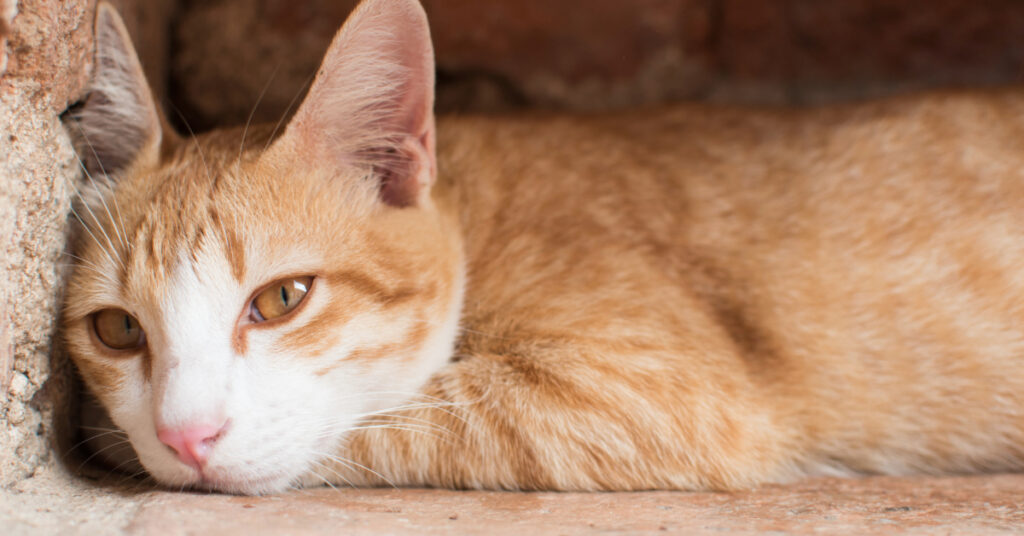
If your cat is sleeping more than usual, ignoring toys, or barely lifting their head when you walk in the room, cat lethargy could be the cause, and it’s worth paying close attention to. Cats are experts at hiding discomfort, which means cat lethargy is often one of the first and only signs that something is wrong. At Sunset Animal Hospital in Houston, we talk with concerned pet owners about cat lethargy on a regular basis, since the line between a lazy nap and a genuine health concern isn’t always obvious. Cats sleep a lot under normal circumstances, which makes a real change in energy level genuinely easy to overlook until it’s been going on for several days. This blog covers what cat lethargy actually looks like, common causes, when it’s serious enough to call your vet, and what treatment typically involves.
What Is Lethargy in Cats?
Cat lethargy describes a noticeable drop in energy, activity, or responsiveness compared to your cat’s normal behavior. It’s different from a cat simply being a low-key personality type, since true cat lethargy represents a change from baseline rather than a consistent trait. A cat experiencing lethargy may still eat and use the litter box normally at first, which is part of why the symptom can be easy to dismiss in its early stages.
Lethargic Cat Symptoms to Watch For
Recognizing cat lethargy starts with knowing your cat’s normal rhythms, since what counts as low energy varies from cat to cat. A playful, food-motivated cat who suddenly ignores mealtime and naps through an entire afternoon is showing a much bigger shift than a naturally mellow cat sleeping a little extra. Common signs include:
- Sleeping significantly more than usual, often in unusual spots away from family activity
- Reduced interest in toys, treats, or play sessions that normally get an enthusiastic response
- Slower movement, reluctance to jump onto furniture, or hesitation on stairs
- Decreased grooming, leading to a dull or unkempt coat
- Less vocalizing than normal, or a noticeably flat, disengaged demeanor
Is It Normal for a Cat to Be Lethargic Sometimes?
Occasional low-energy days are normal, especially after vaccinations, a stressful car ride, or a change in weather. Cat lethargy becomes a concern when it persists beyond a day or two, or when it shows up alongside other symptoms like appetite changes, vomiting, or hiding. Kittens and senior cats can have naturally different baseline energy levels, so cat lethargy should always be judged against your specific cat’s usual habits rather than a generic standard. A senior cat slowing down gradually over several months is a very different pattern than a young, active cat going quiet within a single day, and the second scenario deserves closer attention sooner rather than later.
Causes of Lethargy in Cats
Cat lethargy has a wide range of possible causes, from mild and temporary to serious and urgent. Narrowing down the reason usually requires looking at the full picture rather than a single symptom, including appetite, water intake, litter box habits, and any recent changes at home.
Common Everyday Causes
Minor causes of lethargy include recent vaccinations, hot weather, a new environment, or a recent move that has your cat feeling unsettled. Dietary changes, mild dehydration, or a disrupted sleep schedule can also produce short-term low energy that resolves on its own within a day or so once the underlying trigger passes. Even a new pet or houseguest can throw off a cat’s routine enough to cause a temporary dip in activity.
Underlying Medical Conditions Linked to Cat Lethargy
More serious causes of cat lethargy include infections, kidney disease, dental pain, anemia, hyperthyroidism, and diabetes, all of which are common in cats and often present with low energy as an early symptom. Pain from arthritis or an injury can also cause a cat to move less and rest more, which owners frequently mistake for simple tiredness rather than a treatable medical issue. Heart disease and certain cancers can produce subtle lethargy well before more obvious symptoms appear, which is part of why this particular sign carries so much weight with veterinarians. Parasites, anemia from fleas, and even stress-related conditions can also factor in, especially in younger or outdoor cats. Because cat lethargy is such a broad symptom, veterinary evaluation is often the only reliable way to identify what’s actually driving it.
When Should You Call a Vet About Lethargy in Your Cat?
Deciding when cat lethargy warrants a vet visit comes down to duration, severity, and accompanying symptoms. A cat who bounces back within a day is different from one who stays withdrawn.
Red Flags That Mean Don’t Wait
Call Sunset Animal Hospital promptly if lethargy is paired with any of the following, since these combinations point toward something more serious than a passing off day:
- Loss of appetite lasting more than 24 hours
- Vomiting, diarrhea, or visible pain when touched
- Labored breathing, pale gums, or a swollen abdomen
- Complete withdrawal from family members or hiding for extended periods
Timing Guidelines for Persistent Cat Lethargy
Cat lethargy lasting more than 48 hours, even without other obvious symptoms, is a reasonable trigger for a veterinary exam. Cats mask illness so effectively that by the time lethargy becomes obvious to an owner, an underlying condition may already be progressing, which is why waiting too long can allow treatable issues to become more complicated. If you’re ever torn between watching and waiting versus scheduling a visit, a quick call to the clinic can help you decide based on your cat’s specific symptoms.
How Do Vets Treat Lethargic Cats?
Treating cat lethargy starts with identifying the root cause, since the right approach depends entirely on what’s driving the low energy in the first place.
Diagnostic Steps Vets Use
Our veterinary team typically starts with a physical exam, bloodwork, and sometimes imaging to check organ function, hydration, and signs of infection or pain. These diagnostics help narrow down whether the lethargy stems from something manageable at home or a condition requiring more active treatment. Bringing notes on when the lethargy started and any other changes you’ve noticed, such as appetite, litter box habits, or weight, helps your vet build an accurate picture faster.
Treatment Approaches Based on the Cause
Once the cause is identified, treatment for cat lethargy might include fluids for dehydration, pain management for arthritis, medication for infections, or a longer-term plan for chronic conditions like kidney disease or hyperthyroidism. In many cases, addressing the underlying issue brings a noticeable return of energy within days, which is often the clearest sign that the treatment plan is working. Follow-up visits or repeat bloodwork are common for chronic conditions, giving your vet a way to track progress and adjust the plan as needed. Your vet may also suggest simple at-home monitoring, like tracking appetite or activity in a notebook, to help spot patterns between visits.
Sunset Animal Hospital Is Here for Your Cat’s Comfort
Cat lethargy can feel vague and hard to pin down, but it’s rarely something to ignore for long. Our team at Sunset Animal Hospital in Houston has experience sorting out the many possible causes of cat lethargy and getting cats back to their normal selves. If your cat has seemed unusually tired, withdrawn, or slow to engage lately, scheduling an exam gives you real answers instead of guesswork.
Call us at (713) 526-5881 or book an appointment online today! Trust your instincts here, since you know your cat’s normal energy better than anyone, and a change worth mentioning to your vet is a change worth taking seriously. Catching a shift early, whether it turns out to be minor or something that needs ongoing management, almost always leads to a smoother path forward for both you and your cat.