
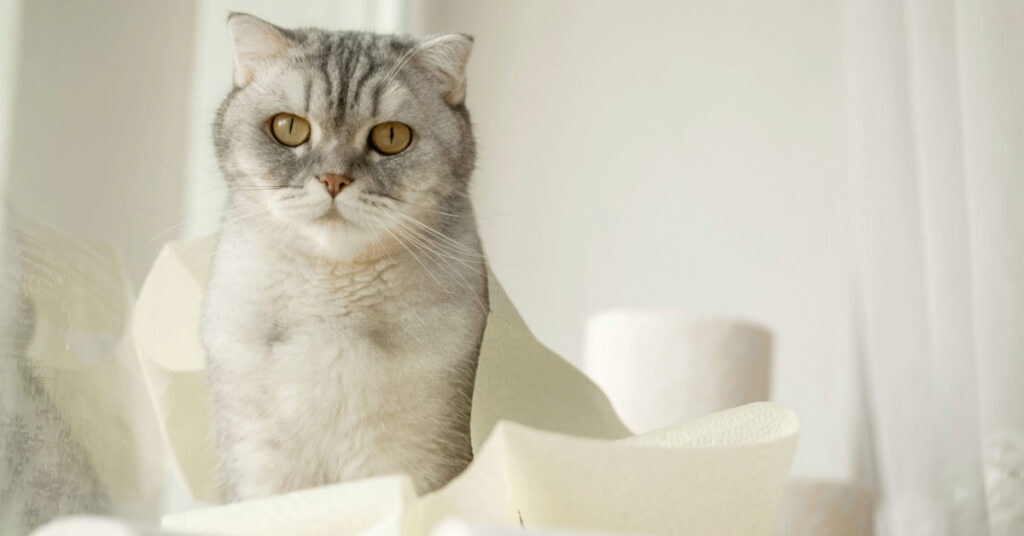
If your cat has had loose or watery stools recently, cat diarrhea can range from a minor, short-lived upset to a sign of something that needs veterinary attention. Cat diarrhea is one of the most common reasons pet owners contact us, and figuring out whether it’s likely to pass on its own or needs a closer look often comes down to how long it’s lasted and what other symptoms are present.
At Sunset Animal Hospital in Houston, we help pet owners sort through cat diarrhea questions regularly, since the causes range from a simple diet change to something requiring diagnostic testing and ongoing management well beyond the initial visit. This guide covers why diarrhea happens, the difference between short-term and ongoing cases, common causes, how diagnosis works, and what treatment, recovery, and prevention typically involve.
Why Does My Cat Have Diarrhea?
Cat diarrhea happens when something disrupts the normal digestive process, causing stool to move through the intestines too quickly or without proper water absorption occurring along the way. The result can range from slightly soft stool to fully liquid, and the appearance itself often offers a clue about severity. Frequency matters too, since one loose stool is a very different situation than several episodes within a single day.
Acute vs. Chronic Diarrhea in Cats
Acute cat diarrhea comes on suddenly and typically resolves within a few days, often tied to something temporary like a diet change or mild stomach upset. Chronic cat diarrhea, on the other hand, persists for weeks or keeps recurring on and off, and usually points toward an underlying condition that needs proper diagnosis and management rather than time alone.
Telling the two apart early helps set expectations for how quickly you should expect improvement, and it also shapes how urgently a vet visit is needed. Intermittent diarrhea, where symptoms come and go over an extended period of weeks or months, falls into a category of its own and often warrants the same level of attention as a fully chronic case.
Cat Diarrhea Causes
Cat diarrhea has a wide range of possible causes, and narrowing things down usually depends heavily on how long it’s lasted, how severe it is, and what other specific symptoms show up alongside it in your cat. A single mild episode with no other changes is treated very differently than repeated bouts paired with weight loss or vomiting.
Common Daily Causes
Dietary changes, food sensitivities, and eating something outside a cat’s normal diet are some of the most frequent triggers of cat diarrhea. Stress from a move, a new pet, or a change in daily routine can also disrupt digestion enough to cause a short bout of loose stool, since cats tend to be sensitive to disruptions in their environment. Switching cat foods too abruptly, even between two high-quality brands, is a surprisingly common everyday culprit as well, which is why a slow, gradual transition spread out over a full week or so is generally recommended by most veterinarians.
Causes That Point to Something More Serious
Parasites, bacterial or viral infections, inflammatory bowel disease, food allergies, hyperthyroidism, and pancreatitis are all recognized conditions that can cause cat diarrhea, particularly when it becomes chronic or is paired with weight loss, vomiting, or reduced appetite. Kittens and senior cats tend to have less tolerance for prolonged diarrhea, since dehydration can set in more quickly in both age groups. Certain infectious causes can also spread to other cats in the household, which is another reason to identify the source rather than simply waiting it out. Cats with access to the outdoors carry an added, ongoing risk of parasite exposure, making regular fecal checks especially worthwhile for that particular group.
Diagnosing Diarrhea in Cats
Diagnosing the cause of cat diarrhea typically starts with a conversation about your cat’s diet, environment, and how long the symptoms have been going on, since that history often narrows down the likely culprits before any testing even begins. Details like whether other pets in the household are also affected, any recent travel, or exposure to new foods can all shape the direction the workup takes.
When to Bring Your Cat In
Contact Sunset Animal Hospital if cat diarrhea lasts more than a day or two, contains blood or mucus, or is paired with vomiting, lethargy, or appetite loss, since these combinations often point toward something that needs prompt evaluation rather than a wait-and-see approach. Kittens with diarrhea should generally be seen sooner rather than later, given how quickly they can become severely dehydrated compared to healthy adult cats.
Cats with underlying health conditions also generally warrant a lower threshold for calling, since diarrhea can complicate an existing issue more quickly than it would in an otherwise healthy cat. Multi-cat households should also watch closely for signs the issue is spreading to other pets, since some causes are contagious between cats sharing litter boxes, food bowls, or living space.
The Diagnostic Process
Veterinarians typically start with a physical exam and a fecal test to check for parasites, followed by bloodwork if the cat diarrhea is chronic or accompanied by other symptoms. In some cases, additional testing like an ultrasound or specialized bloodwork may be needed to identify conditions like inflammatory bowel disease or pancreatitis. Bringing a fresh stool sample to the appointment, when possible, can also speed up the overall diagnostic process significantly, since it lets our team run initial parasite testing right away rather than waiting on a separate collection.
Cat Diarrhea Treatment
Treatment for cat diarrhea depends entirely on the underlying cause, which is why an accurate diagnosis matters more than treating the symptom alone, especially for cases that keep recurring over time.
Treatment Approaches
Options for cat diarrhea treatment range from a temporary diet change and gentle supportive care for mild cases to targeted medication for parasites or infections, and longer-term management for chronic conditions like inflammatory bowel disease. Fluids may be recommended if dehydration has become a concern, particularly in kittens, senior cats, or cases that have lasted several days.
Probiotics are sometimes recommended as well, to help restore a healthy balance of gut bacteria after a bout of illness or antibiotic treatment. A short course of a bland, easily digestible diet is also common for uncomplicated cases while the digestive tract settles down.
Recovery, Management, and Prevention
Recovery timelines for cat diarrhea vary depending on the cause, with simple dietary cases often resolving within a few days and chronic conditions requiring ongoing management and periodic rechecks. Looking ahead, preventing future episodes often comes down to a consistent diet, gradual food transitions, regular parasite prevention, and keeping your cat away from spoiled food or anything outside their normal diet. A predictable feeding routine and minimizing sudden environmental changes can also go a long way toward keeping your cat’s digestion stable, since cats generally do better with consistency than with frequent variety in their meals or surroundings.
Sunset Animal Hospital Is Here to Help Your Cat Feel Better
Cat diarrhea can be unsettling to watch, but understanding what’s typical and what warrants a vet visit helps you respond with confidence instead of guessing. Our team at Sunset Animal Hospital in Houston is ready to help you figure out what’s behind your cat’s diarrhea and get their digestion back on track as quickly as possible.
If your cat’s diarrhea has you concerned, whether it’s a single strange day or something that keeps coming back over time, call (713) 526-5881 or book an appointment online and let our team guide you through the next steps. Trusting your instincts about what’s normal for your cat is always a reasonable place to start.