
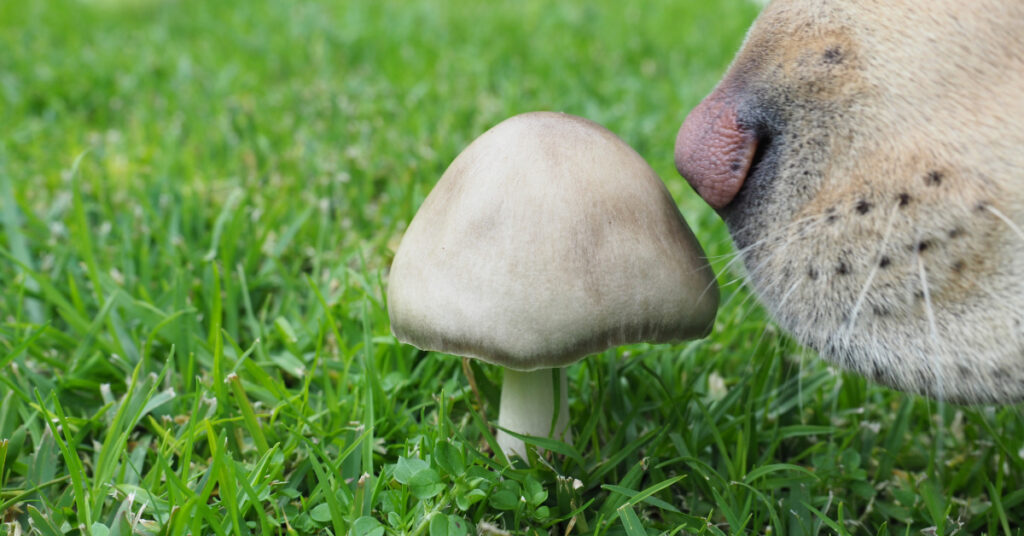
If you’ve been wondering to yourself, “Can dogs eat mushrooms?,” the answer is sometimes, but the line between safe and dangerous is far thinner than most pet owners realize. We see many Houston families surprised by how quickly a curious sniff in the yard or a dropped kitchen scrap can turn into a stressful situation. Mushrooms grow quietly, look harmless, and often appear overnight. From a veterinary perspective, that unpredictability is exactly why mushrooms deserve careful attention. Our goal is to help you recognize which fungi are low risk, which pose serious danger, and when it is time to contact a professional.
At Sunset Animal Hospital, we believe informed pet owners make safer choices. Let’s walk through what every dog owner should know about mushrooms, from wild varieties to grocery store options.
Can Dogs Eat Wild Mushrooms?
When clients ask, “can dogs eat mushrooms found outside,” our answer is consistent: wild mushrooms should always be considered unsafe. Even experienced foragers can struggle to tell toxic mushrooms from edible ones. Dogs have no way to distinguish the difference, and many poisonous varieties look nearly identical to harmless species.
Houston’s climate creates an ideal environment for fungi to thrive. Lawns, parks, shaded trails, and even flower beds can host dozens of mushroom species throughout the year. Some appear after rain, while others grow beneath grass and only surface briefly. Because of this, exposure often happens before an owner even realizes mushrooms are present.
Wild mushrooms also vary in toxin levels based on soil, age, and growing conditions. A mushroom that looks harmless in one yard may carry higher toxicity in another. That uncertainty is why veterinarians treat any wild mushroom ingestion as a potential emergency.
If you ever find yourself asking whether a mushroom in your yard is safe, the safest answer is to assume it is not.
What Kinds of Wild Mushrooms Are Toxic to Dogs?
Not all wild mushrooms cause poisoning, but many do, and several can be fatal. Understanding the general categories helps explain why mushroom exposure carries so much risk.
Some of the most concerning groups include:
- Amanita species, often responsible for severe liver failure
- Galerina species, which contain similar toxins to Amanita mushrooms
- Inocybe and Clitocybe species, known for neurologic and gastrointestinal effects
- Gyromitra species, sometimes called false morels, which affect the liver and nervous system
What makes these mushrooms especially dangerous is how similar they can look to edible varieties. Color, size, and shape are unreliable identifiers. Even photos online cannot guarantee accurate identification.
Toxic mushrooms can cause damage in different ways. Some attack the liver, others affect the kidneys, and some interfere with the nervous system. A few types lead to delayed symptoms, which may give owners a false sense of security before serious illness develops.
Because of this, veterinarians never recommend a wait-and-see approach when wild mushrooms are involved.
What Are the Symptoms of Mushroom Poisoning in Dogs?
Mushroom poisoning does not look the same in every dog. Symptoms depend on the type of mushroom, the amount eaten, and the dog’s size and health. Some signs appear within minutes, while others may take hours.
Common symptoms include:
- Vomiting or drooling
- Diarrhea
- Lethargy or weakness
- Tremors or seizures
- Disorientation or stumbling
- Yellowing of the eyes or gums
- Abdominal discomfort
In some cases, dogs may initially improve before worsening again. This pattern often confuses owners and delays treatment. Unfortunately, by the time advanced symptoms appear, internal damage may already be underway.
If you ever suspect mushroom ingestion, treat it as urgent. Even if your dog seems normal, calling your veterinary team gives you guidance tailored to your situation.
Treating Mushroom Poisoning in Dogs
Treatment depends entirely on the type of mushroom, the timing, and the dog’s response. Because mushrooms vary so widely, there is no universal home solution. Veterinary teams focus on limiting toxin absorption, supporting affected organs, and monitoring for complications.
What You Can Do Immediately at Home
While you should never attempt to treat poisoning independently, there are practical steps that help your veterinarian respond more effectively:
- Remove any remaining mushrooms from your dog’s mouth or access area
- Take clear photos of the mushroom, including where it was growing
- Note the time you believe ingestion occurred
- Observe and document any symptoms
Why Dogs Need Veterinary Care After Eating Mushrooms
Some mushroom toxins cause delayed organ failure. Others affect the nervous system in unpredictable ways. Veterinary monitoring allows for early detection of changes that are not visible at home. Bloodwork, imaging, and supportive care give dogs the best chance for recovery.
If your dog may have eaten a wild mushroom, call Sunset Animal Hospital at (713) 526-5881 immediately. Quick action can make a meaningful difference.
Can Dogs Eat Store-Bought Mushrooms?
This is where the question “can dogs eat mushrooms” becomes more nuanced. Store-bought mushrooms, such as white button, cremini, or portobello mushrooms, are generally considered low risk when they are plain, cooked, and served in very small amounts.
However, safety depends on preparation. Mushrooms cooked with garlic, onions, butter, oils, or seasonings introduce ingredients that can be harmful to dogs. Raw mushrooms may also cause digestive upset.
Even with safe varieties, mushrooms should never replace balanced dog food or regular treats. Dogs gain little nutritional benefit from mushrooms, and overfeeding can cause stomach upset.
If you choose to share a small piece, it should be:
- Plain
- Fully cooked
- Free from oils, sauces, and seasoning
Still, many owners decide it is simpler to avoid mushrooms entirely.
Why Mushroom Exposure Is So Common in Dogs
Dogs explore with their noses and mouths. Mushrooms smell earthy and interesting, especially after rain. Puppies and curious adult dogs are particularly likely to sample anything new on the ground.
Urban yards, dog parks, apartment landscaping, and even indoor houseplants with fungal growth can all present exposure risks. Because mushrooms grow quickly and disappear just as fast, owners may never realize what their dog found.
Routine yard checks, leash supervision, and prompt removal of visible mushrooms reduce risk. Still, accidents happen, which is why education remains so important.
How Sunset Animal Hospital Helps Protect Houston Pets
At Sunset Animal Hospital, we treat mushroom exposure as a serious concern. Our team focuses on early recognition, careful monitoring, and clear communication with pet owners. We believe education plays a key role in prevention, which is why we share guidance like this with our community. If you ever question whether your dog encountered a mushroom, we encourage you to call (713) 526-5881 or schedule a visit online. Let’s have a conversation about if dogs can eat mushrooms so we can provide clarity and reassurance.