Cats knead because the behavior connects to comfort, instinct, communication, and emotional security. When your cat presses their paws rhythmically into a blanket, pillow, or your lap, they are expressing feelings rooted in kittenhood and reinforced through adulthood. We see this behavior often at Sunset Animal Hospital, and it consistently raises the same question from cat owners: why do cats knead, and what are they trying to say? The answer unfolds through a mix of biology, habit, and personality. Kneading rarely means just one thing. Instead, it reflects a layered story of comfort, territory, bonding, and instinct.
Understanding why cats knead allows you to interpret your cat’s body language more clearly. It also helps you recognize when kneading is harmless affection and when it may signal discomfort or emotional change. Let’s take a closer look at what your cat’s paws are really telling you.
Why Do Cats Knead Their Paws?
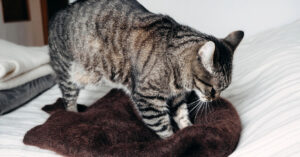
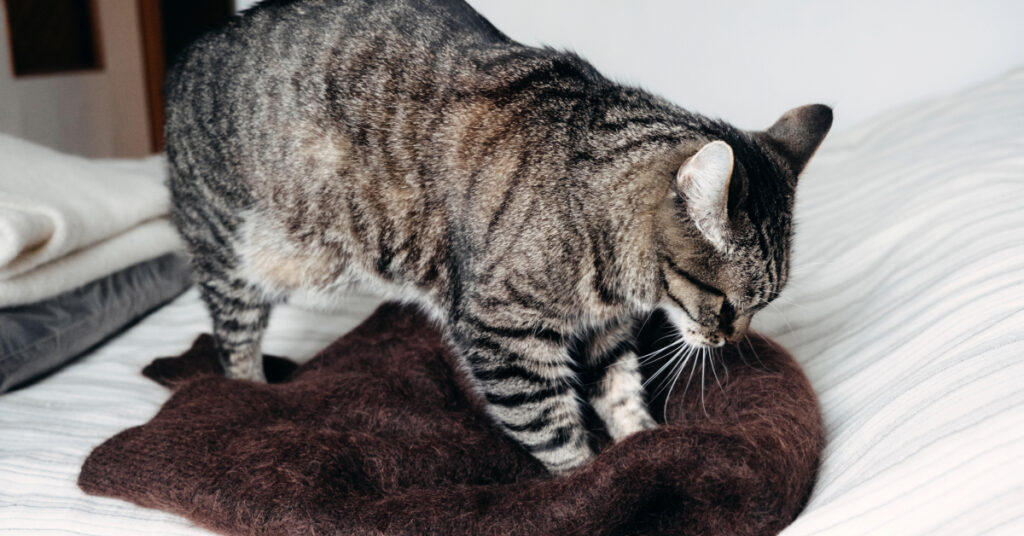
Kneading begins in kittenhood, when newborn kittens press their paws against their mother’s belly to stimulate milk flow. That early association between kneading and comfort stays with cats long after they leave the litter. As adults, many cats continue the motion when they feel relaxed, safe, or emotionally connected to their environment.
When owners ask why cats knead on blankets, laps, or soft furniture, the answer usually involves memory and emotional reinforcement. The behavior recreates a familiar sense of warmth and security. Your cat does not consciously remember being a kitten, yet their nervous system still recognizes the comfort pattern.
Kneading also connects to territory marking. Cats release scent from glands in their paws. When your cat kneads your lap, they leave behind a subtle scent that signals familiarity and ownership. This does not mean possession in a negative sense. It reflects comfort and trust.
Many cats knead while purring, half-closing their eyes, or drooling slightly. These signs together often indicate deep relaxation. In those moments, your cat feels emotionally settled in your presence.
Common reasons cats knead include:
- Emotional comfort and relaxation
- Territory marking through scent glands
- Bonding with trusted people or spaces
- Habit carried from kittenhood
Kneading and Emotional Bonding
Some cats knead only specific people. Others knead particular blankets or beds. This selective behavior reflects emotional preference. When your cat kneads you, they treat you as a safe emotional anchor. The behavior becomes a form of nonverbal communication.
At Sunset Animal Hospital, we often hear owners say their cat kneads more during quiet moments, such as bedtime or while relaxing on the couch. That timing supports the emotional comfort explanation.
Should You Be Concerned About a Cat Kneading?
In most situations, kneading remains completely normal and healthy. However, certain changes in kneading patterns deserve attention. When owners ask why cats knead aggressively or suddenly start kneading more than usual, we encourage them to observe the full behavior pattern rather than focusing on kneading alone.
Excessive kneading combined with vocalization, restlessness, or changes in appetite may suggest stress or emotional change. Cats often express anxiety through repetitive comfort behaviors. Kneading can become a coping mechanism when routines shift, new pets arrive, or household noise increases.
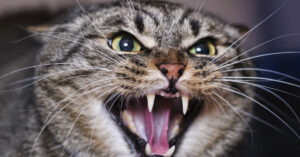
Kneading that includes biting, intense pressure, or agitation may signal overstimulation rather than affection. Cats sometimes move from relaxation into heightened arousal without clear warning signs. Recognizing that shift protects both the owner and the cat.
Watch for these cues:
- Kneading paired with sudden tail flicking
- Kneading followed by gentle or firm biting
- Kneading that escalates into agitation
- Kneading that replaces other normal behaviors
These patterns do not automatically indicate a medical issue, yet they may reflect emotional or environmental stress.
When Kneading Changes Over Time
A cat that never kneaded before but suddenly begins doing so frequently may be seeking comfort. Environmental changes such as moving homes, new family members, or schedule shifts often influence behavior. Kneading can become a grounding habit.
If kneading appears painful for your cat, involves limping, or occurs alongside obvious physical discomfort, that warrants a veterinary conversation. While kneading itself rarely signals illness, sudden behavioral shifts deserve professional evaluation.
If you ever feel unsure about what your cat’s kneading means, Sunset Animal Hospital welcomes those questions. You can call (713) 526-5881 or book an appointment online to discuss behavior concerns in a calm, supportive setting.
How To Stop a Cat From Kneading
Many owners love kneading until sharp claws enter the picture. The goal is not to punish kneading, but to redirect it in ways that keep everyone comfortable.
When people ask why do cats knead so forcefully, the answer often involves excitement, stimulation, or habit. Redirecting the behavior protects your lap without discouraging your cat’s emotional expression.
Start by placing a thick blanket or pillow between your cat and your legs. This preserves the kneading ritual while protecting your skin. Over time, many cats naturally shift to kneading that surface instead.
Other helpful approaches include:
- Trimming nails regularly to reduce discomfort
- Offering a designated kneading blanket
- Gently redirecting your cat’s paws to a soft surface
- Standing up calmly if kneading becomes painful
Avoid yelling or pushing your cat away abruptly. That response can confuse or stress them. Calm redirection preserves trust while setting boundaries.
Creating a Kneading-Friendly Space
Some cats knead most at bedtime or during relaxation. Offering a soft bed or folded blanket in those areas often satisfies the habit. Many owners find that their cat quickly chooses that space instead of human legs.
If your cat kneads clothing, placing a towel over your lap can redirect pressure while still allowing closeness.
Understanding why do cats knead helps owners respond with patience rather than frustration. The behavior reflects emotional expression, not misbehavior.
When to Talk With a Veterinarian
Your cat’s kneading tells a story written in memory, comfort, trust, and instinct. When you understand why do cats knead, you begin to see each paw press as a quiet expression of safety and connection. Kneading does not exist to annoy, dominate, or confuse. It exists to communicate.
While kneading remains normal, behavior always deserves attention when it changes suddenly. If kneading appears painful, obsessive, or paired with other unusual behaviors, professional guidance provides clarity. Sunset Animal Hospital welcomes conversations about behavior concerns. You can call (713) 526-5881 or book an appointment online if you want to discuss what your cat’s kneading may be communicating.