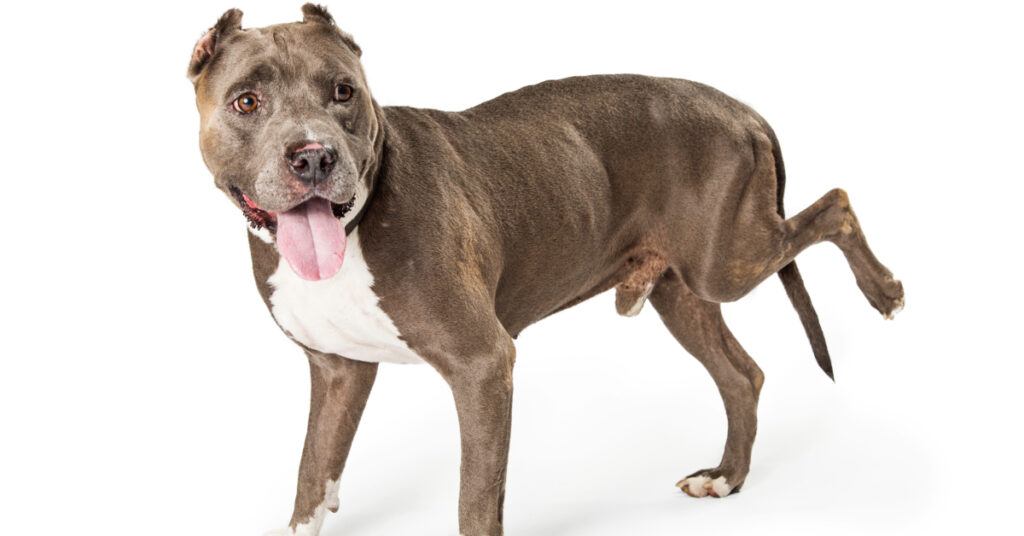
Limping can pop up without warning in your four-legged friend. One day your dog races across the yard, and the next they hesitate, favoring one hind limb with every step. When pet owners ask, “Why is my dog limping on their back leg?” the answer usually connects to pain, inflammation, or mechanical strain affecting the muscles, joints, bones, or soft tissues.
At Sunset Animal Hospital, we see how unsettling it feels to watch a confident dog suddenly move with caution. A dog limping on their back leg may still wag their tail and eat normally, yet their body communicates discomfort through altered movement. Understanding the possible causes helps pet owners recognize when monitoring is appropriate and when professional evaluation becomes important.
Potential Causes of Sudden Limping in Dogs
Limping on a back leg does not always result from a single dramatic injury. In many cases, the issue develops quietly and only becomes noticeable once discomfort increases. Dogs instinctively try to compensate, which can make early signs easy to miss.
Soft Tissue Injuries
Muscle sprains, ligament strains, and tendon irritation commonly cause a dog to limp on their back leg. These injuries often follow jumping, slipping on smooth floors, or intense play. A dog may appear stiff after rest and improve slightly once they move around. Over time, repeated strain can worsen discomfort and change gait patterns.
Joint Conditions
Joint instability or degeneration frequently leads to limping. The knee, hip, and ankle joints carry much of a dog’s weight. When cartilage wears down or ligaments lose stability, movement becomes painful. Dogs may shift weight forward, sit awkwardly, or avoid stairs.
Bone Concerns
Fractures, stress cracks, or developmental bone abnormalities can also cause a dog to limp. These issues may follow trauma or develop gradually in growing dogs. Some dogs show swelling or sensitivity around the affected area, while others only display subtle movement changes.
Nerve and Spine Factors
Nerve compression or spinal conditions may trigger a limp even without obvious limb pain. Dogs may drag toes, stumble, or show weakness rather than clear soreness. These patterns often confuse owners because the leg itself appears normal.
Paw and Nail Problems
Sometimes the simplest cause explains why your dog is limping. Torn nails, embedded debris, or pad injuries alter weight distribution. Dogs often lick the area or resist having the paw touched.
Common causes of limping include:
- Ligament strains or tears
- Hip or knee joint instability
- Muscle bruising or overuse
- Paw pad or nail injuries
- Nerve irritation
Each cause affects movement differently, which is why professional assessment matters when limping continues.
When to Call the Vet
Limping should never be ignored simply because your dog still seems cheerful. Dogs often mask discomfort well, especially when surrounded by familiar people.
You should contact a veterinary team when:
- The limp lasts longer than 24–48 hours
- The limp worsens instead of improving
- Swelling, heat, or visible injury appears
- Your dog avoids bearing weight
- Behavioral changes accompany the limp
A limp that continues beyond a short period may signal underlying damage that benefits from early evaluation. Waiting too long can allow secondary issues to develop as the body compensates.
Subtle Signs Owners Often Miss
Many dogs do not cry or yelp when uncomfortable. Instead, they change posture, rise more slowly, or hesitate before jumping. A dog limping back leg may also:
- Sit with one leg extended
- Shift weight to the front legs
- Walk with shorter steps
- Appear stiff after rest
These quiet clues often reveal more than dramatic pain responses.
Providing Treatment for Limping in Dogs
Treatment for limping on a back leg depends on the underlying cause, which is why accurate diagnosis is important. While pet owners can offer comfort measures at home, professional guidance shapes long-term outcomes.
Supportive Home Care Measures
While awaiting veterinary evaluation, general comfort-focused steps may help reduce strain:
- Limiting jumping and rough play
- Providing soft bedding for rest
- Using non-slip rugs on slick floors
- Encouraging slow, controlled movement
Veterinary Evaluation for Limping
At Sunset Animal Hospital, we begin by observing gait, posture, and limb movement. We also consider your dog’s age, activity level, and recent history. Diagnostic tools like X-rays allow us to identify whether the dog limping back leg involves joints, bones, muscles, or nerves.
Tailored Care Plans
Once we identify the cause, we create a plan that fits your dog’s lifestyle and physical needs. Some dogs require rest and gradual activity adjustment, while others benefit from structured rehabilitation approaches. Our goal always focuses on restoring comfortable movement and preventing future strain.
Why Rest Alone May Not Fix Limping
Many pet owners assume rest automatically resolves a limping issue. While rest reduces stress, it does not address joint instability, nerve compression, or structural changes. Without guidance, rest alone may delay improvement rather than promote recovery.
How Movement Patterns Influence Healing
Dogs that continue compensating for pain often shift stress to other limbs. This chain reaction can create new discomfort areas. Addressing limping early helps preserve balanced movement across the body.
Helping Pet Owners Recognize Ongoing Limping Patterns
Limping on a back leg may improve one day and worsen the next. This fluctuation often confuses owners. Improvement does not always mean healing has completed. Instead, it may reflect temporary inflammation changes.
Tracking patterns helps veterinarians understand progression. Note when limping occurs, what activities worsen it, and how long recovery takes after rest. This information strengthens diagnostic accuracy.
Why Early Evaluation Benefits Dogs
Dogs rely on consistent movement for muscle tone, joint lubrication, and balance. Limping disrupts these systems. Over time, untreated limping may reduce muscle mass, stiffen joints, and alter posture.
Early evaluation allows intervention before secondary complications develop. It also reassures owners who worry about causing stress by seeking care too soon. In reality, early conversations often prevent prolonged discomfort.
Moving Forward With Confidence
A dog limping on their back leg tells a story about pain, strain, or imbalance that deserves attention. While limping may begin quietly, its impact on quality of life grows when left unaddressed. By recognizing early signs, understanding possible causes, and partnering with a trusted veterinary team, you give your dog the best opportunity to move comfortably again. At Sunset Animal Hospital, we walk beside you through every stage of your dog’s care journey. When movement changes, answers bring peace of mind. Call (713) 526-5881 or book an appointment online to let us help your dog return to confident, comfortable steps.